Guide to Bitcoin Mining Machine Essentials
Explore the essentials of bitcoin mining machines, from understanding their workings to choosing the right equipment. Dive into the evolution of ASIC miners, GPU rigs, and affordable options to enhance your mining efficiency and profitability.
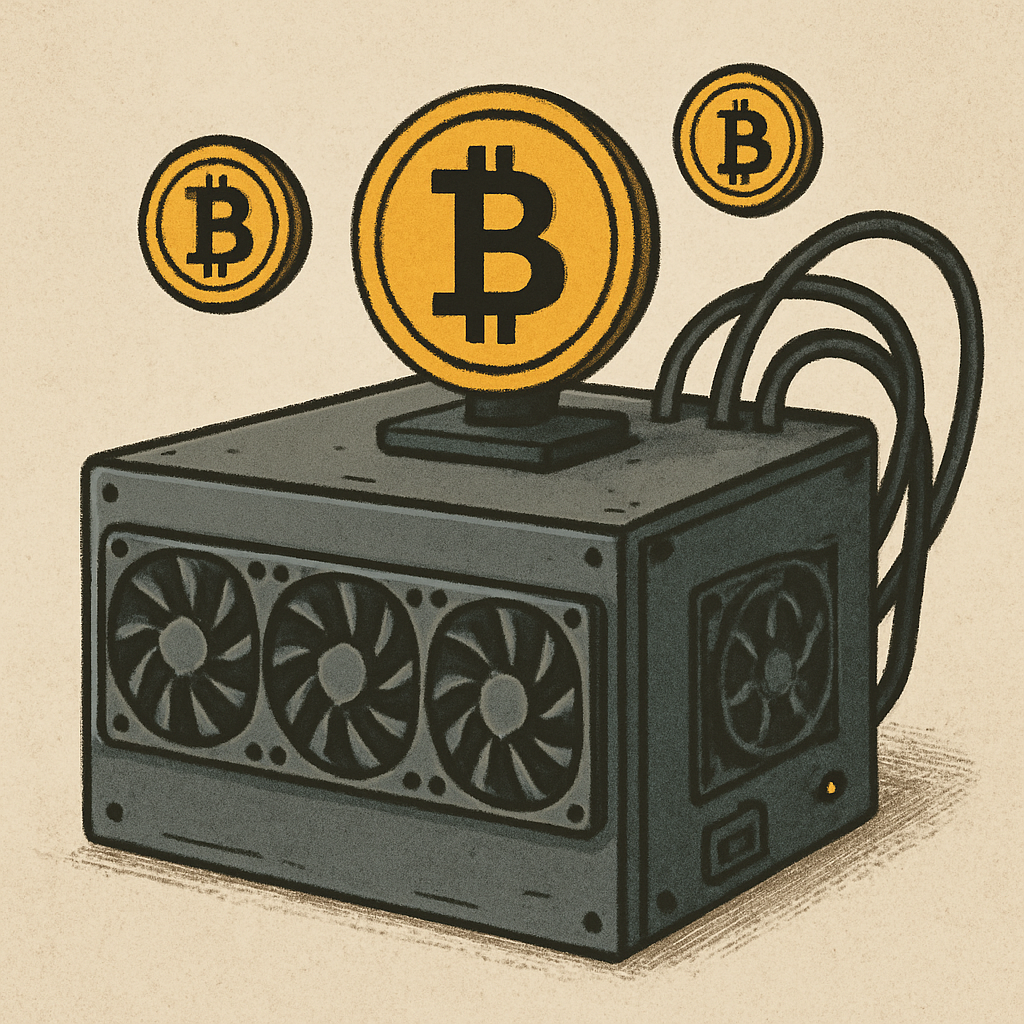
Understanding the Basics of Bitcoin Mining Machines
As the world of cryptocurrency continues to grow, more people are showing interest in bitcoin mining. At the heart of this lucrative venture are bitcoin mining machines. This article will guide you through the basics of these machines, helping you understand how they work and what to consider when choosing one.

A bitcoin mining machine, also known as a bitcoin miner, is a specialized computer designed for the sole purpose of mining bitcoin. These machines perform complex calculations that verify bitcoin transactions and add them to the blockchain, the public ledger of all bitcoin transactions.
The Role of Bitcoin Miners
Bitcoin miners play a crucial role in the bitcoin network. They ensure the security of the network by validating transactions and preventing double-spending. This process is essential for maintaining trust and transparency within the bitcoin ecosystem. In return for their work, miners are rewarded with newly minted bitcoins, making mining a potentially profitable endeavor. The reward system incentivizes miners to continue contributing to the network's security and operation.
How Bitcoin Mining Machines Work
Mining machines solve complex mathematical problems that require significant computational power. These problems are part of the proof-of-work system that secures the network. When a machine successfully solves a problem, it adds a new block to the blockchain. This process requires immense energy and sophisticated hardware designed to perform millions of calculations per second. The efficiency of a mining machine is measured by its hash rate, which indicates how many calculations it can perform in a given time frame.
Evolution of Bitcoin Mining Machines
Over the years, bitcoin mining machines have evolved significantly. Initially, mining was done using standard CPUs, but as competition increased, more efficient methods were developed. GPU mining followed CPU mining, offering better performance and efficiency. Today, ASIC miners dominate the market, providing unmatched speed and energy efficiency. The evolution of mining hardware reflects the growing complexity and competitiveness of the bitcoin mining industry.
Types of Bitcoin Mining Machines
ASIC Miners

Advantages of ASIC Miners
ASIC miners offer several advantages over other types of mining hardware. Their design allows them to perform mining operations with maximum efficiency, reducing electricity costs and increasing profitability. These machines are also highly reliable and durable, capable of running continuously for extended periods. The high hash rates achieved by ASIC miners make them ideal for large-scale mining operations, where maximizing output is crucial.
Disadvantages of ASIC Miners
Despite their benefits, ASIC miners also have some drawbacks. They are often more expensive than other types of mining hardware, requiring a significant initial investment. Additionally, ASIC miners are not versatile; they are designed specifically for bitcoin mining and cannot be repurposed for other tasks. The rapid evolution of mining technology means that newer, more powerful ASIC models are frequently released, potentially rendering older models obsolete.
Popular ASIC Miner Models
There are numerous ASIC miner models available on the market, each offering different features and performance levels. Popular models include Bitmain's Antminer series and MicroBT's WhatsMiner series, known for their efficiency and reliability. When selecting an ASIC miner, it's essential to consider factors such as hash rate, power consumption, and price to find the best fit for your mining goals.
GPU Mining Rigs
GPU (Graphics Processing Unit) mining rigs use graphics cards to mine bitcoin. While not as efficient as ASIC miners, GPU rigs are more versatile and can be used to mine other cryptocurrencies. They are also easier to set up and upgrade.
Advantages of GPU Mining Rigs
GPU mining rigs offer several advantages, particularly for hobbyist miners and those interested in mining multiple cryptocurrencies. These rigs are relatively easy to assemble and customize, allowing miners to experiment with different configurations. GPU mining also provides greater flexibility, as graphics cards can be repurposed for other tasks, such as gaming or video editing, when not mining.
Disadvantages of GPU Mining Rigs
The primary drawback of GPU mining rigs is their lower efficiency compared to ASIC miners. They consume more electricity per hash rate, which can reduce profitability. Additionally, setting up and maintaining a GPU mining rig requires more technical knowledge, making it less accessible for beginners. As the difficulty of mining bitcoin increases, GPU rigs may struggle to remain competitive in the long term.
Best Practices for Building GPU Rigs
When building a GPU mining rig, it's crucial to choose the right components for optimal performance. High-quality graphics cards, a reliable power supply, and adequate cooling are essential for maintaining efficiency and preventing hardware damage. Regular maintenance and updates to mining software can also help maximize the rig's performance and lifespan.
CPU Mining
CPU (Central Processing Unit) mining is the least efficient method of mining bitcoin. It uses the computer's processor to perform mining operations. Due to its low efficiency, CPU mining is not commonly used for bitcoin mining anymore.
Historical Context of CPU Mining
In the early days of bitcoin, CPU mining was the standard method for verifying transactions and securing the network. At that time, the difficulty of mining was relatively low, allowing individuals to mine bitcoin using standard home computers. However, as the network grew and mining competition increased, more efficient methods were developed, rendering CPU mining obsolete for bitcoin.
Why CPU Mining is Inefficient
CPU mining is inefficient because processors are not designed for the intense computational demands of bitcoin mining. They have lower hash rates and consume more power per calculation compared to GPUs and ASICs. This inefficiency makes it challenging to turn a profit with CPU mining, especially given the high competition and increased mining difficulty in the bitcoin network.
Current Uses of CPU Mining
While CPU mining is no longer viable for bitcoin, it is still used for mining some less popular cryptocurrencies that have lower difficulty levels. These currencies often require different algorithms that can be efficiently mined with a CPU. For hobbyists and those new to cryptocurrency mining, CPU mining can provide a low-cost entry point into the world of digital currencies.
Choosing the Right Bitcoin Mining Machine
When selecting a bitcoin mining machine, several factors should be considered:
Hash Rate
Hash rate is the speed at which a mining machine can perform calculations. A higher hash rate means the machine can solve more calculations in a given time, increasing the chances of earning bitcoins. It's important to choose a machine with a hash rate that matches your mining goals.
Importance of Hash Rate
The hash rate is a critical factor in mining because it directly affects the number of bitcoins a machine can earn. A higher hash rate increases the probability of successfully mining a block and receiving the associated rewards. Miners must balance hash rate with other factors, such as power consumption and cost, to optimize their operations.
Comparing Hash Rates
When comparing mining machines, it's essential to examine their hash rates alongside other specifications. Some machines may offer high hash rates but come with increased power consumption, reducing overall profitability. Use online calculators and tools to estimate potential earnings based on different hash rates and costs.
Future-Proofing Your Investment
As mining difficulty continues to rise, investing in a machine with a higher hash rate can help future-proof your operation. While these machines may require a larger initial investment, their increased efficiency can lead to greater long-term profitability. Consider the potential for upgrades and the longevity of the machine when making your decision.
Power Consumption
Mining machines consume a significant amount of electricity. It's crucial to consider the power consumption of a machine to ensure that your mining operation remains profitable. Look for machines with low power consumption and high efficiency.
Calculating Electricity Costs
To understand the impact of power consumption on profitability, calculate the electricity costs associated with running a mining machine. Compare these costs with the potential earnings to determine the machine's return on investment. Consider factors such as local electricity rates and the machine's energy efficiency when making calculations.
Energy Efficiency and Profitability
Energy efficiency is a crucial consideration for miners seeking to maximize profits. Machines with lower power consumption per hash rate offer better efficiency, reducing electricity costs and increasing overall profitability. Investing in energy-efficient hardware can provide significant savings over time, especially in regions with high electricity rates.
Renewable Energy Options
For environmentally conscious miners, renewable energy sources such as solar or wind power can offset electricity costs and reduce the carbon footprint of mining operations. Explore the feasibility of integrating renewable energy solutions into your mining setup to achieve greater sustainability and cost savings.
Price
The cost of mining machines can vary widely. It's essential to set a budget and find a machine that offers the best balance between price and performance. Consider the long-term profitability of the machine when making your decision.
Budgeting for Mining Equipment
When budgeting for mining equipment, consider both the initial purchase price and the ongoing operational costs. Factor in expenses such as electricity, maintenance, and potential upgrades when calculating the total cost of ownership. Set a realistic budget based on your financial goals and risk tolerance.
Evaluating Price-to-Performance Ratio
The price-to-performance ratio is a key metric for assessing the value of a mining machine. Compare different models based on their hash rates, power consumption, and cost to identify the best option for your needs. A machine with a higher upfront cost may offer better long-term returns if it provides superior performance and efficiency.
Financing Options and Leasing
For those unable to afford the upfront cost of a mining machine, financing options and leasing arrangements are available. These options allow miners to spread the cost over time, making it more accessible to enter the mining market. Carefully evaluate the terms and interest rates associated with financing to ensure it aligns with your financial strategy.
Availability in Canada
For those located in Canada, it's important to consider the availability of mining machines in your region. Some models may be harder to find or more expensive due to shipping costs and import taxes. Research local suppliers and compare prices to find the best deal.
Canadian Suppliers and Distributors
Canada has a growing market for bitcoin mining equipment, with several suppliers and distributors catering to local miners. These companies often offer competitive pricing and customer support tailored to the Canadian market. Research reputable suppliers and read reviews to ensure a reliable purchasing experience.
Importing Mining Equipment
When importing mining equipment from other countries, consider the associated costs such as shipping, import duties, and taxes. These expenses can significantly impact the overall cost of the machine. Familiarize yourself with Canadian import regulations and calculate these costs before making a purchase.
Regional Price Variations
Prices for mining equipment can vary across different regions in Canada due to factors such as demand, availability, and local economic conditions. Compare prices from multiple suppliers and consider regional variations when evaluating your options. Taking the time to research and negotiate can lead to significant savings.
Setting Up Your Bitcoin Mining Rig
Once you've selected a mining machine, it's time to set up your mining rig. Here's a basic guide to getting started:
Choose a Mining Pool
Mining alone can be challenging, especially for beginners. Joining a mining pool allows you to combine your efforts with other miners, increasing your chances of earning bitcoins. Research and choose a reputable mining pool that suits your needs.
Benefits of Joining a Mining Pool
Joining a mining pool offers several advantages, including a more consistent income stream and reduced variance in earnings. By pooling resources, miners increase their collective hash rate, improving their chances of successfully mining blocks. Pools also provide community support and resources for troubleshooting and optimizing mining operations.
Selecting the Right Pool
When selecting a mining pool, consider factors such as fees, payout structures, and the pool's reputation. Some pools offer lower fees but may have less frequent payouts, while others provide more regular earnings at a higher cost. Research different pools and join one that aligns with your mining goals and preferences.
Managing Pool Membership
Once you've joined a mining pool, stay engaged with the community and monitor your performance. Participate in discussions and share insights to improve your mining strategy. Regularly review your earnings and expenses to ensure the pool remains a profitable choice.
Install Mining Software
Mining software is essential for connecting your machine to the bitcoin network. There are various options available, each with its own features and compatibility. Choose software that works well with your mining machine and operating system.
Popular Mining Software Options
Popular mining software options include CGMiner, BFGMiner, and EasyMiner, each offering different features and levels of user-friendliness. Evaluate the compatibility of these programs with your hardware and operating system before making a selection. Some software options may also offer additional tools for monitoring and optimizing performance.
Configuring Mining Software
After selecting mining software, configure it to suit your specific setup and preferences. Adjust settings such as pool information, hash rate limits, and temperature controls to optimize performance. Regularly update your software to take advantage of new features and improvements.
Troubleshooting and Support
Mining software can occasionally encounter issues, such as connectivity problems or performance lags. Stay informed about potential troubleshooting techniques and resources for resolving common issues. Participate in online forums and communities to seek advice and support from other miners.
Cooling Solutions
Bitcoin mining machines generate a lot of heat. Proper cooling is necessary to ensure optimal performance and prevent damage to the hardware. Consider investing in cooling solutions such as fans or liquid cooling systems.
Importance of Effective Cooling
Effective cooling is crucial for maintaining the performance and longevity of mining hardware. Overheating can lead to hardware failures, reduced efficiency, and increased maintenance costs. Implementing robust cooling solutions ensures that machines operate within safe temperature ranges, minimizing the risk of damage.
Types of Cooling Solutions
There are several cooling solutions available for mining rigs, including air cooling with fans, liquid cooling systems, and more advanced options like immersion cooling. Each method has its own benefits and drawbacks, with varying levels of complexity and cost. Assess your specific needs and budget when selecting a cooling solution.
Maintaining Optimal Temperatures
To maintain optimal temperatures, regularly monitor the temperature of your mining hardware using software tools and sensors. Clean and maintain cooling equipment to ensure efficient operation and prevent dust buildup. Consider additional measures such as improving ventilation and optimizing room layout to enhance cooling effectiveness.
Affordable Crypto Miners

For those on a budget, affordable crypto miners are available. While they may not offer the same performance as high-end models, they can still provide a decent return on investment. Research different models and compare their specifications to find an affordable option that meets your needs.
Understanding Affordable Mining Options
Affordable crypto miners are typically less powerful than their high-end counterparts but offer a more accessible entry point for new miners or those with limited funds. These machines may have lower hash rates and efficiency but can still be profitable if managed correctly. Evaluate the cost-to-performance ratio to determine the best value for your investment.
Strategies for Maximizing ROI
To maximize the return on investment from affordable miners, focus on optimizing efficiency and minimizing costs. Choose low-cost electricity sources, join mining pools to increase earnings, and keep maintenance expenses low. Regularly assess market conditions and adjust your strategy to adapt to changes in bitcoin's value and mining difficulty.
Upgrading and Expanding Operations
As you gain experience and profits from mining, consider reinvesting in more powerful equipment or expanding your operations. Upgrading to higher-performance machines can increase your earnings and improve profitability. Plan your upgrades strategically to align with changes in the market and your financial goals.
ASIC Miner Trends in Canada
The demand for ASIC miners in Canada is on the rise, driven by the country's favorable climate and access to renewable energy sources. Canadian miners are increasingly looking for efficient and cost-effective ASIC miners to maximize their profits. Stay updated on the latest trends and developments in the Canadian mining market to make informed decisions.
Factors Driving ASIC Demand
Several factors contribute to the growing demand for ASIC miners in Canada, including the country's cool climate, which aids in cooling mining equipment. Additionally, access to abundant renewable energy sources, such as hydroelectric power, provides cost-effective electricity for mining operations. These factors make Canada an attractive location for bitcoin mining, increasing the demand for efficient ASIC miners.
Latest Models and Innovations
The ASIC mining market is continually evolving, with manufacturers releasing new models and innovations to improve performance and efficiency. Keep abreast of the latest developments and technological advancements to ensure your mining operation remains competitive. Evaluate new models based on their hash rates, energy efficiency, and cost to determine their suitability for your needs.
Regulatory and Market Influences
The Canadian mining market is influenced by various regulatory and market factors, such as government policies on cryptocurrency and changes in electricity pricing. Stay informed about these influences and consider their potential impact on your mining strategy. Engage with local mining communities and industry groups to gain insights and share knowledge.
Bit Mining Hardware: A Long-Term Investment
Investing in bit mining hardware can be a lucrative venture, but it's essential to approach it with a long-term mindset. Consider the potential changes in bitcoin's value, mining difficulty, and electricity costs when planning your mining strategy. With the right equipment and approach, bitcoin mining can be a rewarding experience.
Assessing Long-Term Profitability
When considering bit mining hardware as a long-term investment, assess factors such as the projected growth of bitcoin's value and the anticipated increase in mining difficulty. Develop a comprehensive financial plan that accounts for potential fluctuations in earnings and expenses. Regularly review and adjust your strategy to ensure continued profitability.
Equipment Lifespan and Maintenance
The lifespan and maintenance requirements of mining hardware can significantly impact long-term profitability. Invest in high-quality equipment known for durability and reliability to minimize downtime and repair costs. Implement regular maintenance schedules and proactive monitoring to extend the life of your hardware and maintain optimal performance.
Adapting to Technological Advancements
The bitcoin mining industry is characterized by rapid technological advancements, with new hardware and software solutions continually emerging. Stay informed about these developments and be prepared to adapt your operation to incorporate new technologies. Strategic upgrades and innovations can enhance efficiency and profitability, ensuring your mining venture remains competitive.
Conclusion
Understanding the basics of bitcoin mining machines is crucial for anyone interested in entering the world of cryptocurrency mining. By considering factors such as hash rate, power consumption, and cost, you can choose the right machine for your needs. Whether you're in Canada or elsewhere, staying informed about the latest trends and developments will help you succeed in the competitive world of bitcoin mining.
Continuous Learning and Adaptation
The cryptocurrency mining industry is dynamic, requiring continuous learning and adaptation to remain competitive. Stay engaged with industry news, forums, and communities to gain insights and share experiences. Regularly evaluate your mining strategy and be open to new ideas and innovations that can enhance your operation.
Building a Supportive Network
Building a supportive network within the mining community can provide valuable resources and support. Connect with other miners, industry experts, and suppliers to share knowledge and collaborate on projects. A strong network can offer guidance and assistance, helping you navigate the challenges and opportunities of bitcoin mining.
Future Prospects and Opportunities
As the cryptocurrency market evolves, new prospects and opportunities for miners will emerge. Stay informed about emerging trends, such as developments in blockchain technology and shifts in regulatory landscapes. By positioning yourself strategically and remaining adaptable, you can capitalize on these opportunities and achieve success in the world of bitcoin mining.